9 Days
Albania, Greece, Macedonia, the Former Yugoslav Republic of
18
5
The Triad of Eternal Waters
The Triad of Eternal Waters
The Triad of Eternal Waters
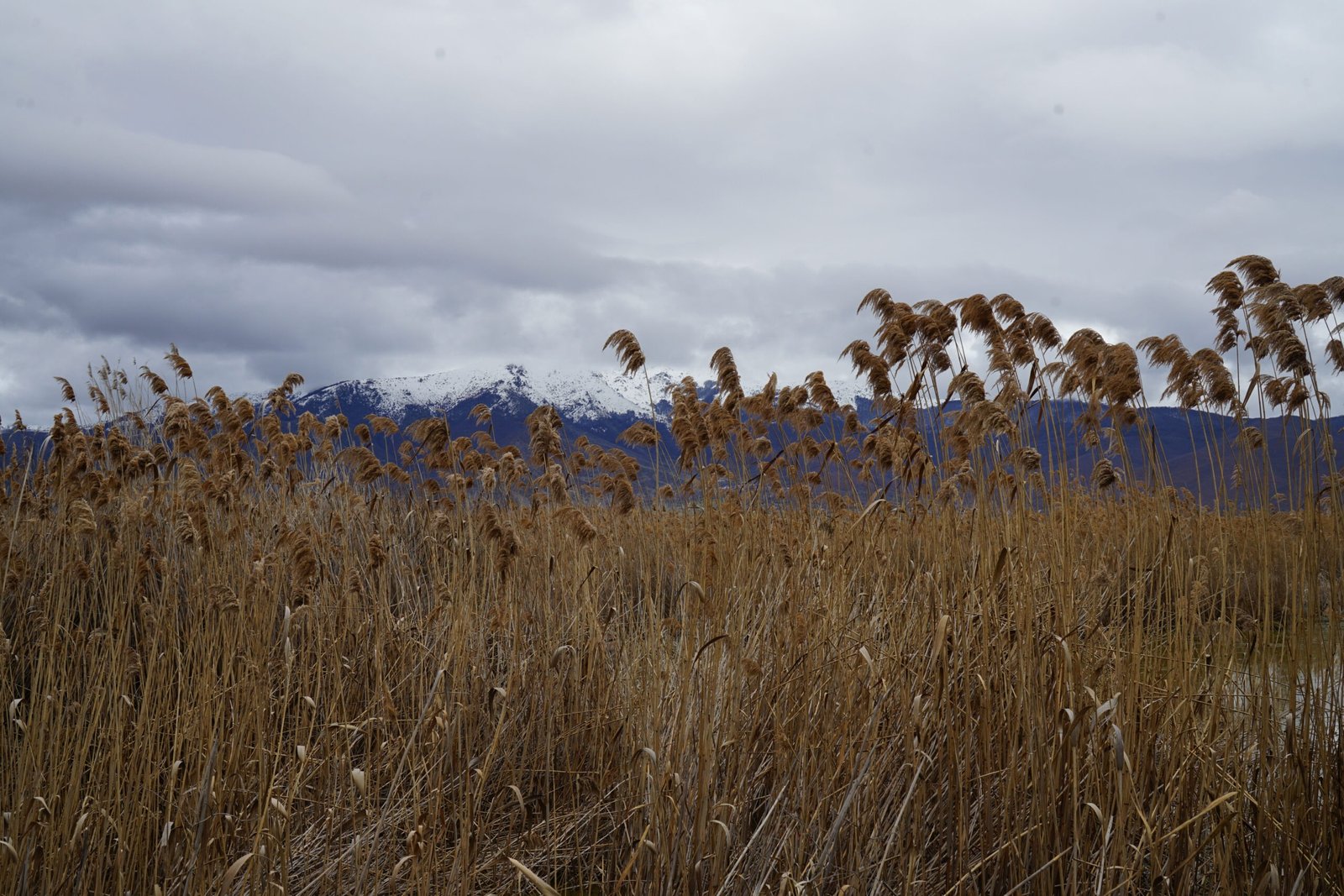
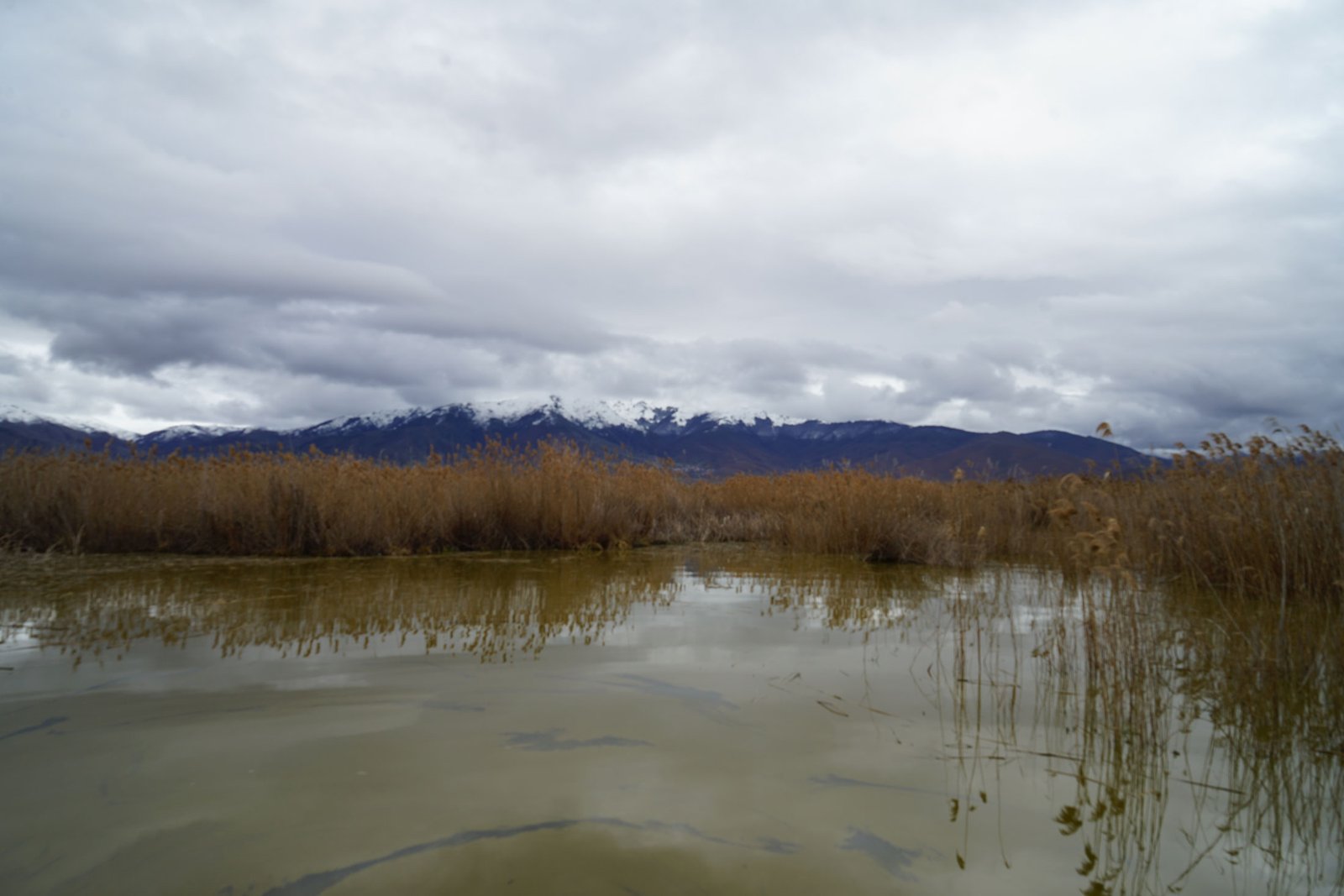
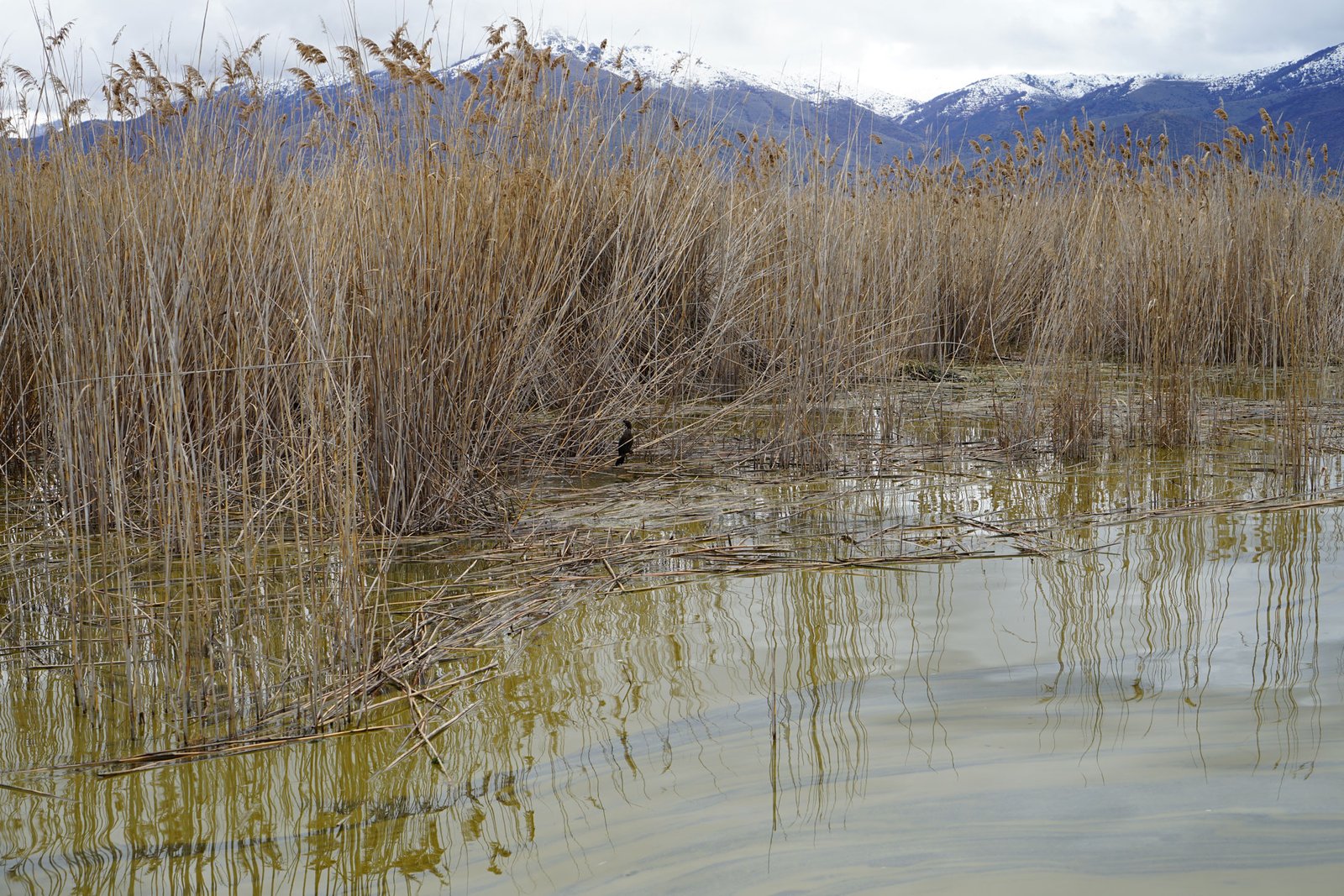
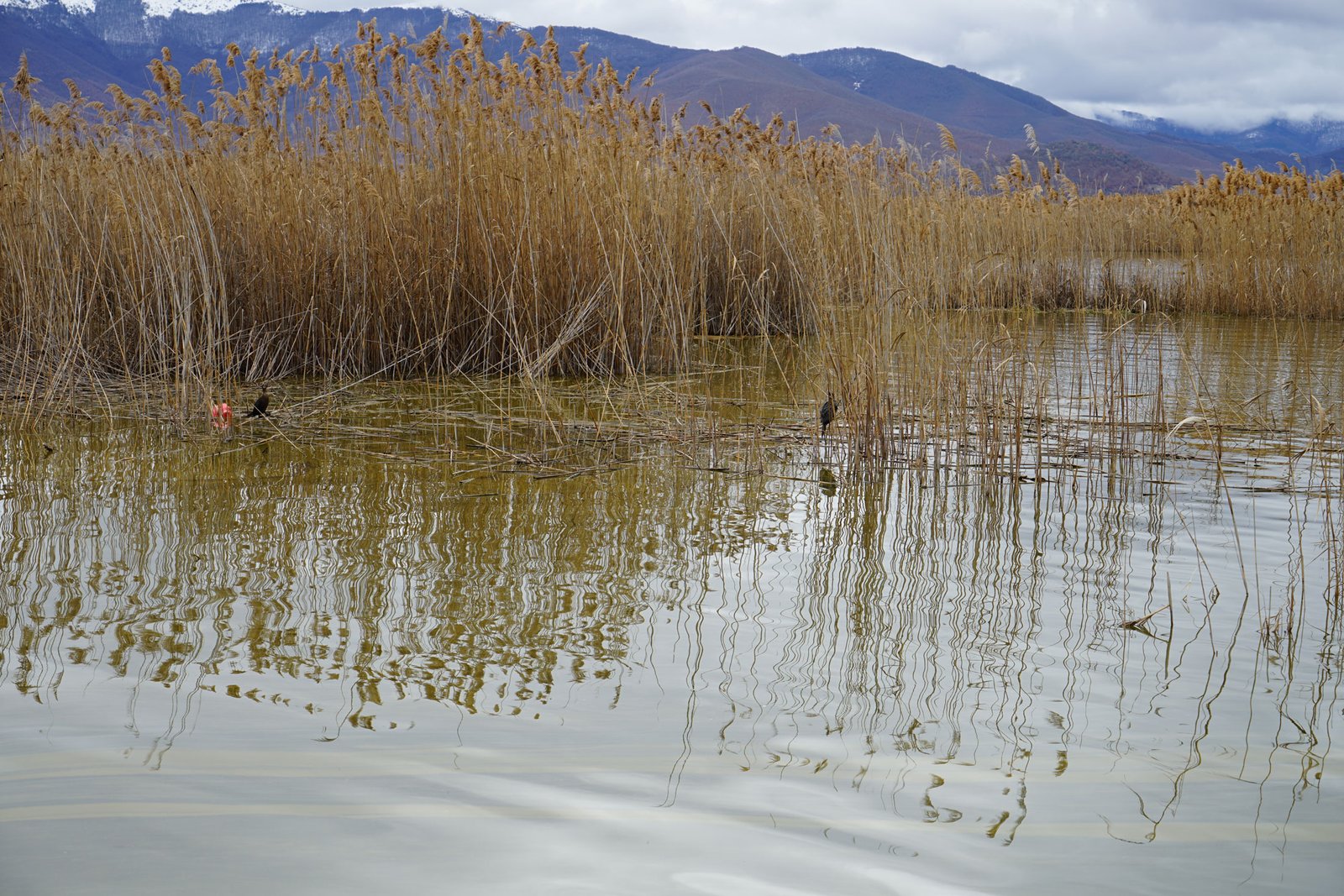
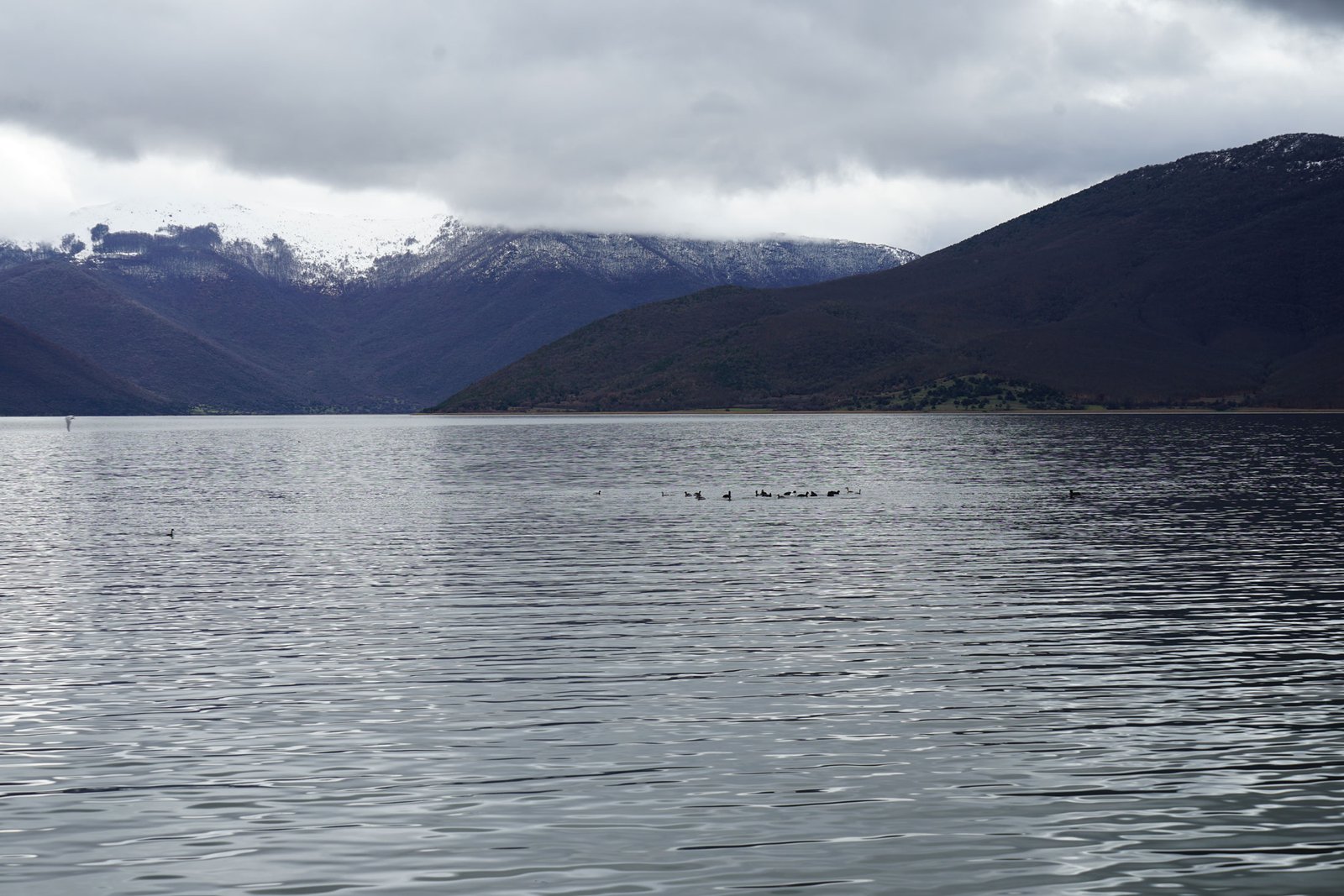
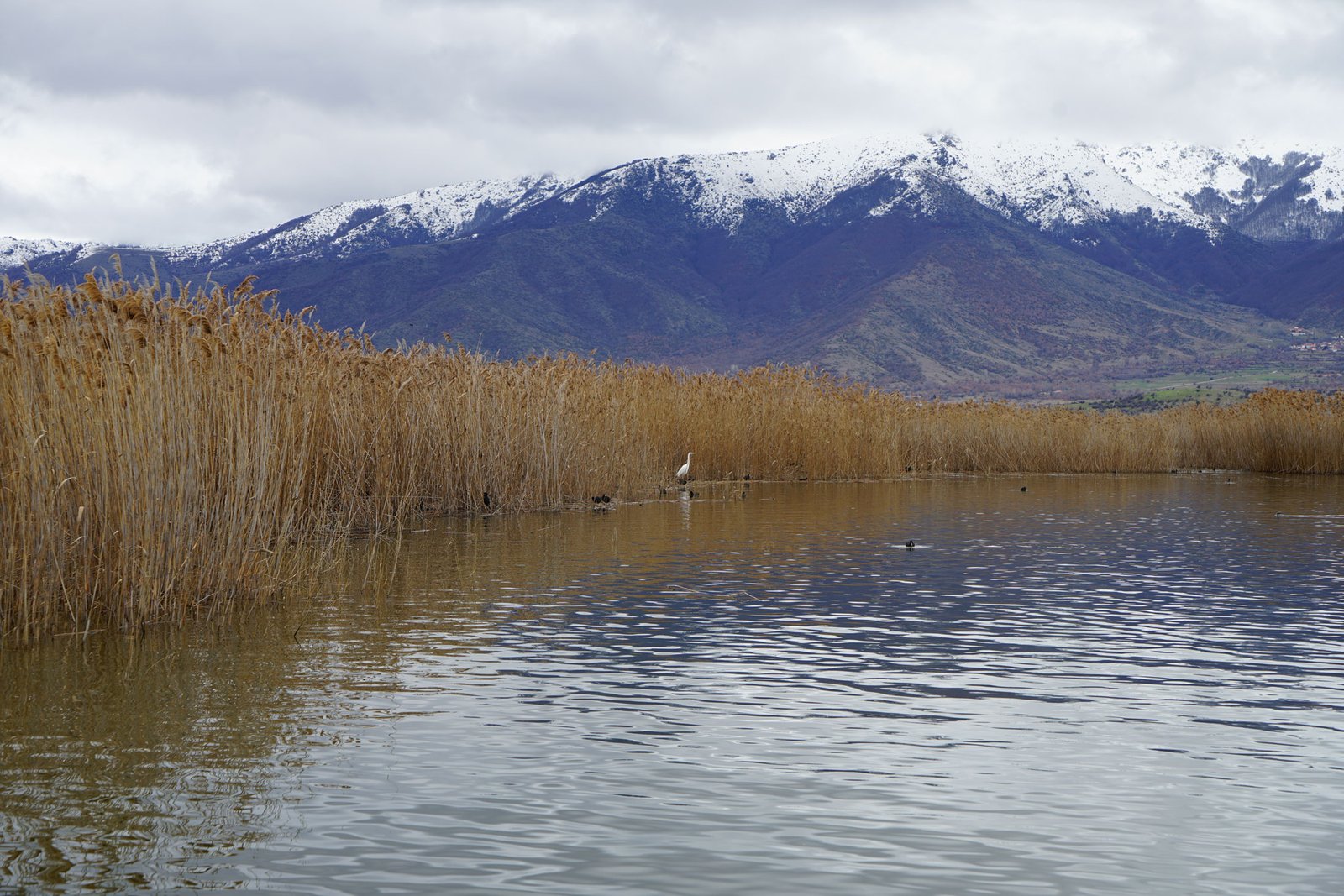
The Triad of Eternal Waters is a 9-day cross-border journey connecting Albania, North Macedonia and Greece through the shared ecosystem of the Lake Ohrid-Prespa region. 9-Day Cross-Border Tour . The tour combines UNESCO World Heritage Sites, Byzantine churches, Ottoman-era towns and traditional villages into an integrated cultural experience. Travelers explore Lake Ohrid, the Great and Small Prespa Lakes, and mountainous landscapes through easy hiking, kayaking and nature interpretation. The program highlights living traditions, including beekeeping, local wineries, Prespa bean cultivation, pottery workshops and regional gastronomy. Urban highlights include Tirana, Ohrid, Manastir, Florina, Kostur and Korça, each reflecting distinct but interconnected Balkan identities. Spiritual heritage, rural sustainability and artisanal craftsmanship form the thematic backbone of the itinerary. Overall, the tour presents the region as a unified destination where culture, history and nature transcend modern boundaries.
Itinerary
Itinerary Expand All
Day 1
Tirana Airport-Tirana
Arrival and first discovery of the Albanian capital Upon arrival at Tirana International
Airport, guests are warmly welcomed by their guide and transferred to the city center of Tirana.
Depending on the arrival time, the day is dedicated to an initial exploration of Albania’s vibrant capital. The guided visit begins in Skanderbeg Square, the heart of the city, surrounded by key landmarks such as the National History Museum, the Opera House, and the Et’hem Bey Mosque.
The program includes a visit to the National History Museum, offering an essential introduction to Albania’s past, from ancient times to the modern era. This is followed by a visit to Bunk’Art, a former Cold War bunker transformed into a contemporary museum, providing a powerful insight into Albania’s communist period and recent history. The remainder of the day is left free to stroll through the city, relax in one of Tirana’s lively cafés, or explore the Blloku district, once reserved for the communist elite and today one of the most dynamic areas of the capital.Overnight: Tirana.
Day 2
Tirana-Lin-Pogradec
After breakfast, we depart Tirana and travel eastward through scenic landscapes towards southeastern Albania, following one of the country’s historic routes. Our first stop is in Elbasan, where we visit the Elbasan Fortress, a well-preserved Ottoman-era stronghold that once guarded the ancient Via Egnatia. Walking through its walls and narrow streets offers insight into the city’s strategic importance and layered history. We then continue towards Lin, one of Albania’s most picturesque villages, beautifully set on a small peninsula along Lake Ohrid. Here, we visit the remains of the early Christian Basilica, testimony to Lin’s long-standing religious and cultural significance. A short and easy hike around the Lin peninsula allows us to fully enjoy panoramic lake views, stone houses, and the tranquil atmosphere of village life. Lunch is served in a traditional restaurant in Lin, where local fish and regional specialties highlight the culinary traditions of the Ohrid Lake area. In the afternoon, we proceed to Pogradec, a charming lakeside town closely linked to Albanian literature and culture. A gentle city visit introduces its main highlights, followed by a visit to the Museum of History, offering a deeper understanding of the town’s past and its role in the cultural life of southeastern Albania. The day concludes with arrival in Pogradec, allowing time to relax by the lake and enjoy the peaceful rhythm of this unique cross-border region.
Overnight: Pogradec
Day 3
Pogradec- Ohrid
After breakfast, we depart Pogradec and cross the border into North Macedonia, heading towards the UNESCO-listed town of Ohrid, one of the most important cultural and spiritual centers in the Balkans. Our visit begins at the Monastery of Saint Naum, beautifully located at the southern end of Lake Ohrid, near the Albanian border. Surrounded by springs and lush greenery, this monastery is dedicated to Saint Naum, one of the disciples of Saints Cyril and Methodius, and remains an important pilgrimage site. The serene setting and crystal-clear waters create a unique atmosphere of peace and spirituality. We then continue to the historic heart of Ohrid to explore its most emblematic landmarks. The visit includes the Church of Saint Sophia, one of the finest examples of medieval architecture in the region, known for its impressive frescoes and historical significance. Next, we visit Samuel’s Fortress, offering panoramic views over the town and Lake Ohrid. From here, we continue foot to the Church of Saints Clement and Panteleimon, located at Plaošnik, a key spiritual and educational center linked to Saint Clement of Ohrid. The city tour also includes a visit to the Ancient Macedonian Theatre of Lychnidos, dating back to Hellenistic times and later used during the Roman period, illustrating Ohrid’s long and layered urban history. Throughout the day, we stroll through Ohrid’s cobbled streets, discovering traditional houses, viewpoints over the lake, and the town’s relaxed Mediterranean-Balkan atmosphere.
Overnight: Ohrid
Day 4
Ohrid-Resen-Bitola
After breakfast, we depart from Ohrid and travel north through the fertile landscapes of the Prespa region, passing by Resen, an area known for agriculture and its close relationship with nature. Our journey continues to the village of Dihovë, renowned for its rural traditions and sustainable way of life. Here, we meet local beekeepers who introduce us to traditional honey production methods and explain the crucial role of beekeeping in maintaining biodiversity and healthy ecosystems. The visit is complemented by a tasting of natural, locally produced honey, offering an authentic insight into the flavors of the region. Lunch is served in a local restaurant, where traditional regional dishes are prepared using seasonal ingredients, reflecting the simplicity and richness of Macedonian rural cuisine. In the afternoon, we travel to Bitola, one of North Macedonia’s most elegant and historically significant cities. A guided city tour takes us along Shirok Sokak, the city’s iconic pedestrian boulevard, lined with cafés and historic buildings where Ottoman and European architectural styles blend harmoniously. The walk provides a deeper understanding of Bitola’s urban development and its former role as an important diplomatic and cultural center during the late Ottoman period. The experience concludes with a relaxed craft beer tasting, showcasing locally brewed beers and highlighting Bitola’s growing artisanal and creative scene. In the evening, we enjoy dinner in Bitola, ending a day rich in nature, tradition, urban heritage, and authentic cross-border experiences.
Overnight: Bitola.
Day 5
Bitola-Florina-Agios Germanos
After breakfast, we depart from Bitola and head south towards Florina, crossing into Greece and entering the Greek Prespa region. The scenic drive leads us through mountain landscapes and rural villages until we arrive in Agios Germanos, one of the most traditional settlements of the area. Here, we visit the old traditional water mill, an excellent example of local rural heritage, followed by the historic church of Agios Germanos, which reflects the religious and architectural traditions of Prespa through the centuries. Late in the morning, we enjoy a memorable kayaking experience across Prespa Lake, paddling towards Agios Achilleos. Upon arrival on the island, we explore the remains of the early Christian basilica of Saint Achilleios, once an important religious center in the Balkans, and enjoy a short walk around the island, surrounded by tranquil lake views and birdlife. Lunch is served on Agios Achilleos Island, offering time to relax and fully absorb the serene atmosphere of this unique natural setting. In the afternoon, we continue towards Psarades, a lakeside village known for its traditional character and strong connection to the natural environment. From here, we set off on an easy 7 km hike leading to a remote hermit church, a quiet and contemplative site that perfectly reflects the spiritual heritage of Prespa and offers beautiful panoramic views along the way. Before returning to Agios Germanos, we visit a local bean producer, discovering the cultivation and processing of the famous Prespa beans, a protected and emblematic product of the region, closely linked to local identity and sustainable agriculture. The day concludes with dinner and free time in Agios Germanos, allowing guests to enjoy the calm village atmosphere and reflect on a day rich in nature, tradition, and cross-border cultural connections.
Overnight: Agios Germanos
Day 6
Agios Germanos-Kastoria
Optional early-morning experience (05:30) For birdwatching enthusiasts, the day may begin with an optional early-morning visit to Agios Achilleos Island, when the lake awakens at dawn. In the soft morning light, guests can quietly observe birds leaving their nesting areas, surrounded by the still waters of Prespa and the silhouettes of the mountains. Kastoria — Byzantine Heritage, Living Crafts & Prehistoric Roots The day continues in Kastoria, beautifully set on a peninsula embraced by Lake Orestiada. Just outside the city, a visit to the Neolithic Lake Settlement of Dispilio introduces life on the lakeshore more than 7,000 years ago, with reconstructed wooden dwellings illustrating early craftsmanship, fishing, and communal life. Back in Kastoria, a guided walk through the historic quarters of Dolcho and Apozari reveals elegant mansions and cobbled streets. Visits to the Tsiatsiapas Mansion and the Folklore Museum of Kastoria offer insight into local architecture, domestic life, and the city’s rich artisan traditions. Lunch is enjoyed by the lake in a traditional taverna, followed by a visit to Panagia Mavriotissa, one of Kastoria’s most important Byzantine churches, known for its frescoes and serene lakeside setting. In the afternoon, guests may discover living crafts through meetings with local artisans—fur makers, icon painters, or embroidery and silver workshops—before enjoying a relaxed walk along the lakeside promenade. An optional visit to the Dragon’s Cave adds a touch of nature and legend. The day ends with free time and dinner in Kastoria, closing a journey that blends prehistoric roots, Byzantine heritage, and vibrant living traditions.
Overnight: Kastoria.
Day 7
Agios Germanos-Small Prespa-Zaroshka-Korce
The day begins in the morning with departure towards Albania, crossing the border at Kapshticë / Krystallopigi -Albania Our first stop is Treni, a small village set between hills, lakes, and archaeological remains. From here, we start a short and easy hike through nature and history, leading to the remains of Trajan Castle and continuing towards Zagradec village and Treni Cave. Along the trail, the guide introduces the area’s Roman past, rural traditions, and the close relationship between local communities and the surrounding landscape. Late in the morning, we visit Kolevica, a traditional pottery workshop where craftsmanship has been preserved through generations. Here, guests discover local ceramic techniques and the importance of artisanal production in maintaining cultural identity, with the opportunity to observe the creative process firsthand. We then continue to Boboshticë, a village famous for its culinary heritage. Lunch is a true highlight of the day, featuring a traditional meal followed by a hands-on cooking class dedicated to the preparation of Lakror, the iconic regional pie baked under embers. This interactive experience offers insight into local gastronomy, family traditions, and the social role of food in Albanian culture. In the afternoon, we arrive in Korçë for a guided city tour, exploring its elegant boulevards, historic neighborhoods, and cultural landmarks. The visit includes Etno Art, where traditional art, crafts, and local creativity are showcased in a contemporary setting. The cultural journey continues with a visit to the National Museum of Medieval Art, home to one of the most important collections of Byzantine and post-Byzantine icons in the Balkans, including masterpieces by the renowned painter Onufri. The museum provides a deeper understanding of Albania’s spiritual heritage and artistic legacy. In the late afternoon, we head to Menelaos Winery for a wine tasting, discovering local grape varieties and learning about the region’s growing wine culture, shaped by climate, tradition, and modern craftsmanship.
The day concludes with dinner and free time in Korçë.
Day 8
Korce-Tirana
Option 1: Upon arrival, guests enjoy free time in the capital, allowing for a relaxed lunch, last-minute shopping, or a stroll through Skanderbeg Square, the Blloku district, or Tirana’s cafés In the evening, transfer to Tirana International Airport for departure.
Option2: After breakfast, departure from Korçë to Voskopojë, one of Albania’s most important cultural villages. Surrounded by forests and mountain landscapes, Voskopojë is known for its historic churches, frescoes, and traditional stone architecture. A short visit introduces its rich past as a former cultural and spiritual center of the Balkans.
Lunch is served in Voskopojë, featuring traditional mountain cuisine and local specialties in a peaceful village setting.In the afternoon, we drive to Tirana. Upon arrival, the remainder of the day is left free to explore the city, relax, or enjoy Tirana’s vibrant atmosphere.In the evening, guests enjoy an “Albanian Night” folklor dinner, featuring traditional music, dances, and regional dishes—an engaging and festive way to experience Albania’s cultural diversity and conclude the journey.
Overnight: Tirana.
Day 9
Tirana- Airport
Early departure from Tirana Airport.
End of services.